
Articles, Growing, Pest Management
Leafminers on Cannabis: How To Identify and Treat Them
Aug
Have you ever spotted weird winding lines in your fan leaves, like someone took a miniature Sharpie and doodled a maze through the leaf tissue? That’s not just weird plant stress. That’s a leafminer. And while they’re not the most dramatic pest in the lineup, they’re sneaky, and they’ll leave your plants looking like they’ve been vandalized from the inside out.
And yeah, they’re real, and they’re active in a lot more grows than people realize.
So, What Exactly Is a Leafminer?
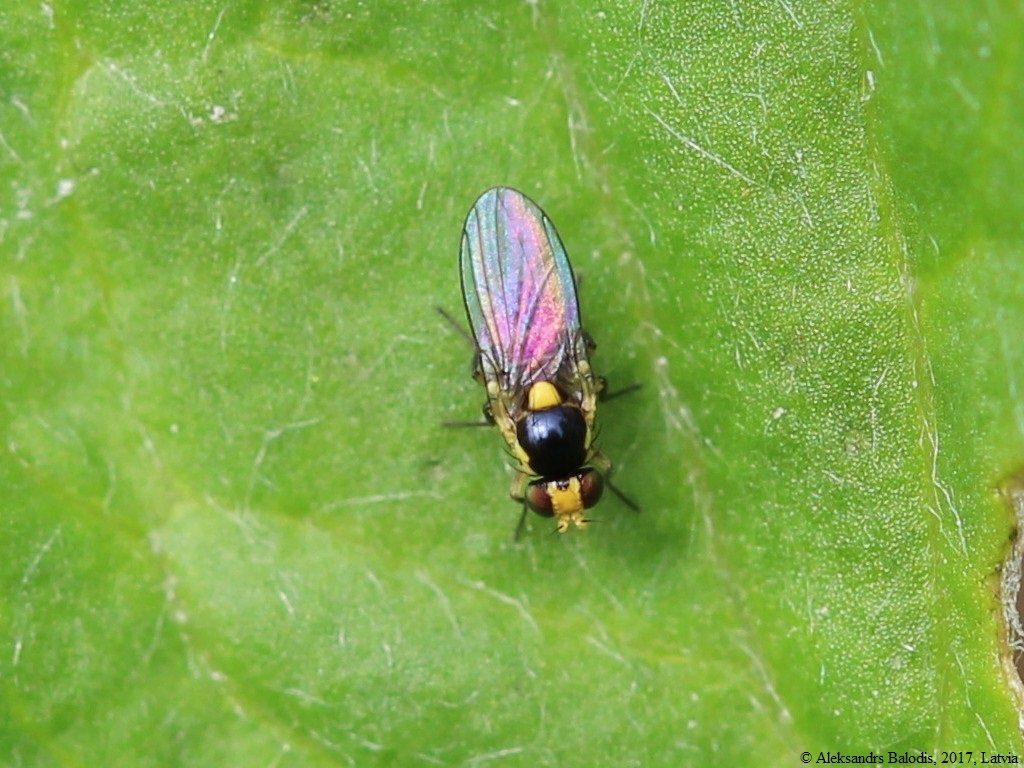
“Leafminer” isn’t one specific bug; it’s actually a catch-all name for the larval stage of several different insects, mostly flies (Diptera), but also some moths and beetles. What they all have in common is the nasty habit of burrowing into the leaf tissue and feeding between the layers, which is what causes that telltale trail or “mine.”
On cannabis, the main culprits are usually:
- Liriomyza species, tiny black or gray flies that lay eggs inside the leaf surface
- Less commonly, some Agromyzid flies or even moth larvae, depending on your region
These pests are particularly active in warmer months and are a bigger problem outdoors or in greenhouse setups, but indoor growers aren’t immune either, especially if they bring in infected clones or soil.
How to Identify Leafminer Damage (Before It Gets Ugly)
The giveaway is the mining itself, squiggly, discolored lines in your leaves. These aren’t surface scratches; they’re happening inside the leaf, between the top and bottom layers. As the larva eats its way through the tissue, it leaves behind a translucent trail that can turn brown or yellow over time.

You might also notice:
- Blistering or bubbling on the surface of the leaf
- Thin, winding trails that start small and get thicker as the larva grows
- Leaves curling, deforming, or yellowing prematurely
- Slowed growth or general stress in vegging plants (especially if infestation is heavy)
Unlike something like spider mites or thrips, which are on the surface and often found under the leaves, leafminers are inside the leaf, which makes them harder to spot and trickier to treat.
Are They Dangerous?
Short answer, they can be, especially in veg or early flower.
Here’s the thing: leafminers don’t kill plants outright. But they weaken them. And if you’re dealing with other stresses, heat, pests, or light issues, they can push your plants over the edge. They damage leaves, reduce photosynthesis, and can open up the plant to fungal infections through the trails they create.
In veg, they’ll slow growth. In flower, they’ll affect your plant’s energy production and overall health, even if they don’t directly mess with the buds.
Also worth noting, they can spread from one plant to the next if the adult flies are allowed to lay freely. So even if it looks like minor cosmetic damage, don’t wait too long to act.
Leafminers vs. Other Leaf Damage
Just to make sure we’re not barking up the wrong pest tree:
- Thrips: Leave silvery streaks or scratch marks on top of the leaf, not inside it
- Spider mites: Create speckled stippling and sometimes webbing, again, all surface-level
- Nutrient issues: More uniform discoloration, not squiggly tunnels
With leafminers, the damage literally wanders. It’s unmistakable once you’ve seen it once.
Can You Prevent Them?
Sort of, but not perfectly. Since the adult fly is the one laying eggs on the leaf surface, your best bet is stopping her before she gets there, or at least breaking the cycle early.
Here’s what actually helps:
- Sticky traps (especially yellow) catch the adult flies before they can lay eggs
- Floating row covers or mesh for outdoor plants, keeps adult flies off the leaves
- Inspect clones and new plants before introducing them to your grow, this is one of the most common sources
- Avoid over-fertilizing with nitrogen; lush, soft leaves are basically candy to leafminers
Also, keep your garden tidy. Leafminers pupate in the soil after leaving the leaf, so removing and disposing of infected leaves quickly can reduce the next generation.
Natural Predators That Help
If you’re into IPM (which you should be), these biological allies are worth knowing:
- Diglyphus isaea, a tiny parasitic wasp that lays its eggs inside the leafminer larvae. It’s brutal, but effective. Works best when released early
- Predatory nematodes, can help control pupae in soil, though less direct than the wasps
- Generalist predators like lacewing larvae, might eat eggs or small larvae, but not a primary control
Biocontrol works great before things get out of hand, not during a full-blown infestation.
Okay, You’ve Got Leafminers. Now What?
Here’s what you can actually do once they’ve moved in.
Step 1: Remove Infected Leaves
If you see mines, prune those leaves off. They’re already damaged, and the larvae will eventually exit and pupate in the soil if you leave them. Bag them, don’t compost.
Step 2: Introduce Biological Controls
Diglyphus isaea is your go-to. Order from a local supplier; they’re widely available in greenhouse production. Release into the canopy every few days until the cycle is broken.
Step 3: Use Targeted Organic Sprays
Sprays can help, but because the larvae are inside the leaf, surface sprays have limited impact. That said:
- Neem oil, useful for repelling adult flies and may help with egg disruption
- Spinosad, can penetrate slightly and affect younger larvae when used correctly (use in early veg only, can leave residue)
- Azadirachtin (active from neem), may reduce larval development over time
- Insect growth regulators (IGRs) like cyromazine, prevent larvae from maturing (some are used commercially on edible greens, but use with caution on cannabis)
Sprays must be part of a larger plan, don’t expect miracles without pruning and prevention.
Step 4: Soil Disruption
Remember, they pupate in the soil. So:
- Add beneficial nematodes to the root zone
- Keep the top layer dry if possible
- Avoid reusing infected soil in future grows
Do You Need to Go Synthetic?
In most cases, no. Leafminers are a pain, but you can usually handle them with organic tools if you act early and consistently. However, large-scale outdoor grows or persistent infestations might require a more aggressive approach.
If you go synthetic, look for:
- Spinetoram, a synthetic spinosyn derivative with stronger action (still OMRI-listed in some areas)
- Cyromazine or abamectin, common in commercial agriculture, but not safe for cannabis unless specifically labeled
Always check residue timelines. You don’t want systemic chemicals ending up in your smoke.
Final Thoughts
Leafminers are subtle but persistent. They won’t take down your plant in a single hit, but they’ll weaken it week after week if you don’t step in. It’s death by a thousand tiny tunnels.
Your best weapons? Observation, early removal, and a solid IPM plan. If you act quickly, prune affected leaves, trap the adults, and bring in reinforcements, you’ll stay ahead of the curve.
Ignore them? Well, next time you roll a joint, you might be smoking through a few bug tracks.
