
Apr
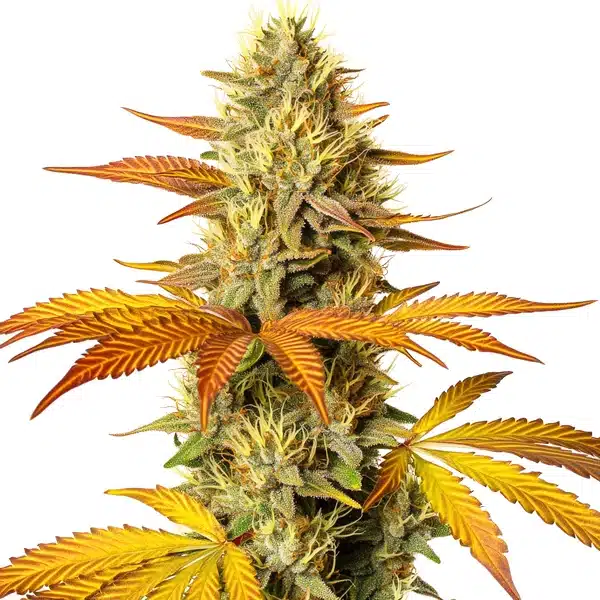
One of the most visually striking moments in a cannabis grow occurs right at the end of the flowering cycle. Deep purples, warm reds, soft yellows and burnt oranges begin to replace the lush green canopy that defined the earlier stages of growth. This transformation, commonly referred to as “fade”, is often seen as a hallmark of a well-finished plant.
However, fade is widely misunderstood. Many growers attempt to force it, while others mistake nutrient deficiencies for a natural finishing process. To truly benefit from cannabis fade, it is important to understand what it is, why it happens, and how to guide your plants toward it without compromising health or yield.
What is cannabis fade
Cannabis fade refers to the natural change in leaf colour that occurs in the final weeks of flowering. As the plant approaches the end of its life cycle, it begins to reduce chlorophyll production and mobilise stored nutrients from its leaves into its flowers. As chlorophyll levels drop, other pigments that were previously masked begin to show through.
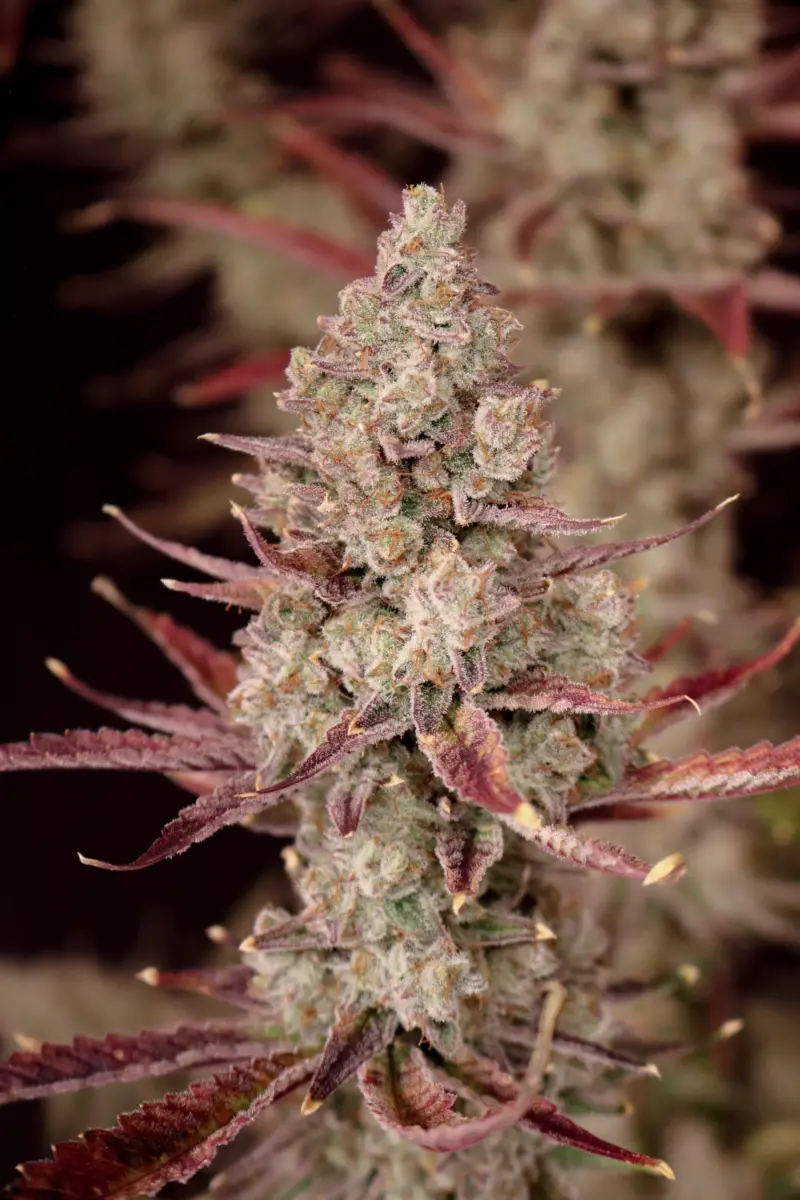
The result is a gradual shift in colour, often starting with the yellowing of older fan leaves and, in certain genetics, progressing into shades of purple, red or even near black. This process typically occurs in the last two to three weeks before harvest, when the plant is reaching full maturity.
Fade is not simply cosmetic. It reflects a physiological transition in the plant, where vegetative growth gives way entirely to reproductive completion.
Why cannabis plants fade
The primary driver of fade is the plant’s shifting nutritional needs. During vegetative growth and early flowering, cannabis requires significant amounts of nitrogen to support leaf development and photosynthesis. Nitrogen is closely tied to chlorophyll production, which is why healthy plants appear deep green.
As flowering progresses, the demand for nitrogen decreases. The plant begins to redirect its energy towards bud development, terpene production and resin formation. To support this, it starts pulling nitrogen and other mobile nutrients out of its leaves and into the flowers. As these nutrients are withdrawn, the leaves lose their green colour and begin to yellow.
Genetics also play a significant role. Some cultivars contain higher levels of pigments known as anthocyanins, which produce red, purple and blue hues. These pigments are always present in the plant, but are usually hidden beneath chlorophyll. As chlorophyll fades, anthocyanins become visible, creating the vibrant colours many growers seek.
Environmental conditions can further influence this process. Cooler night temperatures, within a moderate range, can enhance the expression of these pigments. When temperatures drop slightly between day and night, it can encourage more pronounced colouration without causing stress.
Healthy fade versus nutrient deficiency
One of the most important distinctions a grower must make is the difference between a healthy fade and a nutrient problem. While both can involve yellowing leaves, they occur under very different circumstances.
A proper fade begins late in flowering, typically in the final weeks before harvest. It starts with the older fan leaves and progresses gradually. The plant remains otherwise healthy, with strong bud development, swelling flowers and active resin production.
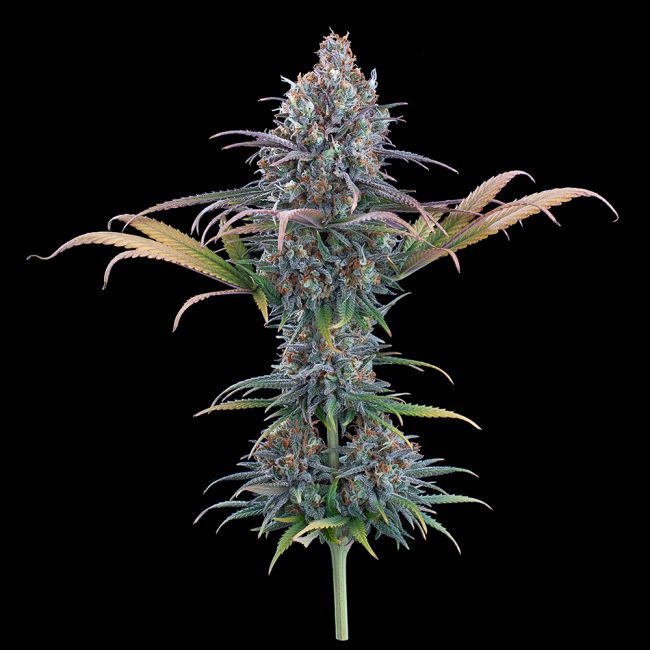
In contrast, nutrient deficiencies often appear earlier in the flowering cycle and can affect the plant unevenly. Leaves may develop spots, burn along the edges, curl, or drop prematurely. Bud development may slow, and overall plant vigour declines. Early or aggressive yellowing is rarely a sign of proper finishing, and more often indicates that the plant is being underfed or experiencing imbalance.
Understanding this distinction is critical. Fade should be the result of a well-timed conclusion to the grow, not a symptom of stress.
The role of fade in quality and flavour
Many experienced growers value fade not just for its appearance, but for its potential impact on the final product. As nitrogen levels decrease within the plant, there is often a corresponding improvement in the smoothness of the smoke. Excess nitrogen can contribute to harshness when combusted, so allowing the plant to naturally use up its reserves can result in a cleaner burn.
There is also a relationship between late-stage plant health and terpene expression. When a plant is allowed to mature fully, rather than being harvested prematurely, it has more time to develop the complex aromatic compounds that define its character. While fade itself does not create terpenes, it often occurs alongside the conditions that support full flavour development.
It is important to note, however, that colour alone is not an indicator of potency or quality. Some of the most powerful and terpene-rich cannabis remains green until harvest. Fade should be seen as a possible outcome of proper finishing, not a goal in isolation.
How to achieve a natural cannabis fade
Achieving a proper fade begins long before the final weeks of flowering. It is the result of consistent, balanced cultivation throughout the plant’s life cycle.
During the bulk of flowering, the plant should remain healthy and well-fed. Nitrogen levels should be gradually reduced as flowering progresses, but not eliminated too early. Sudden deprivation can stunt growth and reduce yield. Instead, a steady transition from vegetative nutrients to bloom-focused feeding allows the plant to continue developing while preparing for its final stage.
As the plant enters its last few weeks, nitrogen intake can be reduced further. At this point, the plant will begin to rely more heavily on the nutrients stored in its leaves. This is what drives the visible fade. The key is to allow this process to happen naturally, rather than forcing it through aggressive feeding changes.
Environmental control also plays an important role. Maintaining stable daytime temperatures alongside slightly cooler nights can encourage colour expression, particularly in strains with the genetic potential for it. Extreme cold should be avoided, as it can stress the plant and hinder development.
Some growers choose to reduce or stop feeding entirely in the final one to two weeks, providing only water. This practice, often referred to as flushing, remains a topic of debate. When done moderately, it can support the plant’s natural finishing process. However, excessive flushing or starting too early can deprive the plant of essential nutrients and negatively impact bud development.
Ultimately, the goal is not to starve the plant, but to allow it to complete its life cycle in a controlled and balanced way.
Common mistakes when chasing fade
A common mistake among growers is attempting to induce fade too early in the flowering cycle. This often involves cutting nutrients prematurely in the hope of achieving vibrant colours. In reality, this approach usually leads to reduced yields, smaller flowers and weaker plants.
Another issue is overemphasising colour as a marker of quality. While visually appealing, colour does not determine potency, terpene content or overall smoking experience. A healthy, green plant that finishes properly can produce exceptional results.
Over-flushing is another pitfall. Removing nutrients too aggressively can stall the plant at a critical stage, limiting its ability to reach full maturity. The final weeks of flowering are still a period of active development, and the plant requires support to complete this process.
Finally, misdiagnosing deficiencies as fade can lead to poor decision-making. If yellowing occurs too early or is accompanied by signs of stress, it should be addressed as a nutritional issue rather than accepted as part of the natural cycle.
A sign of a well-timed finish
Cannabis fade is best understood as a reflection of timing. It indicates that the plant has moved beyond active growth and is entering the final stage of its life. When managed correctly, it accompanies full bud development, peak resin production and optimal harvest readiness.
Rather than forcing fade, the focus should be on growing a healthy plant from start to finish. If nutrition, environment and timing are all aligned, fade will occur naturally as the plant completes its cycle.
In this sense, fade is not something you create. It is something you allow.
Frequently Asked Questions
